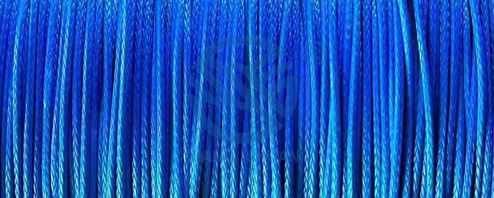
Factores que determinan el material adecuado de las Colas de amarre para buques costa afuera
Las colas de amarre son componentes críticos en los sistemas de amarre de los barcos en alta mar, ya que actúan como conectores flexibles entre el casco del barco y las líneas de amarre fijas (como cadenas o cuerdas). Su función principal es absorber cargas dinámicas de las olas, el viento y las corrientes, reducir la tensión en la estructura del barco y garantizar un atraque o mantenimiento estable. Sin embargo, la efectividad y la vida útil de las colas de amarre dependen en gran medida de la elección del material, una decisión determinada por una compleja interacción de condiciones ambientales en alta mar, requisitos operativos, características de rendimiento del material y estándares de la industria. La selección del material incorrecto puede provocar fallas prematuras, costosos tiempos de inactividad o incluso accidentes catastróficos como la deriva de un barco o la rotura de líneas de amarre. Este artículo explora los factores clave que determinan el material adecuado de las colas de amarre para buques en alta mar, proporcionando un marco para que ingenieros y profesionales marítimos tomen decisiones informadas.
1. Condiciones ambientales costa afuera: el principal impulsor de la durabilidad del material
Los entornos marinos se encuentran entre los más duros del planeta y exponen las colas de amarre al agua salada, temperaturas extremas, radiación ultravioleta y partículas abrasivas. Estas condiciones degradan directamente las propiedades del material, lo que hace que la resistencia ambiental sea el factor más crítico en la selección del material.
Corrosión del agua salada y bioincrustación
El agua salada es altamente corrosiva para los materiales metálicos y puede degradar los polímeros orgánicos con el tiempo. Para los materiales de la cola de amarre, la resistencia a la corrosión del agua salada no es negociable. Los materiales metálicos como el acero al carbono, si bien son fuertes, se corroen rápidamente en agua salada, formando óxido que debilita la resistencia a la tracción del material hasta en un 50 % al año de exposición. Esto hace que el acero al carbono no sea adecuado para colas de amarre sin recubrimiento en aplicaciones costa afuera. Por el contrario, el acero inoxidable (por ejemplo, 316L) y el titanio exhiben una alta resistencia a la corrosión debido a sus capas pasivas de óxido, pero el acero inoxidable aún requiere un mantenimiento regular para evitar la corrosión por picaduras en agua salada estancada.
Los materiales orgánicos como las fibras sintéticas (poliéster, poliamida, polietileno) son inherentemente resistentes a la corrosión, pero vulnerables a la bioincrustación: la acumulación de organismos marinos (percebes, algas, mejillones) en la superficie. La bioincrustación aumenta el peso de la cola de amarre, altera su flexibilidad y crea puntos de tensión localizados que aceleran el desgaste. Para abordar esto, los materiales como el polietileno de peso molecular ultraalto (UHMWPE) a menudo se tratan con recubrimientos antiincrustantes (por ejemplo, compuestos a base de cobre) o tienen una energía superficial inherentemente baja que resiste la adhesión de los organismos. Por ejemplo, las colas de amarre de UHMWPE utilizadas en plataformas petrolíferas marinas muestran un 70% menos de contaminación biológica que las colas de poliéster sin recubrimiento después de seis meses de implementación.
Temperaturas extremas y radiación ultravioleta
Las operaciones en alta mar abarcan diversas zonas climáticas, desde las heladas aguas del Ártico (donde las temperaturas pueden descender hasta -40°C) hasta los océanos tropicales (donde las temperaturas superan los 35°C). Estas temperaturas extremas afectan la flexibilidad y resistencia del material. Por ejemplo, las colas de amarre de poliamida (nylon) se vuelven quebradizas a temperaturas inferiores a -10 °C, perdiendo hasta un 30 % de su resistencia al impacto, mientras que las colas de poliéster mantienen la flexibilidad hasta -20 °C. En entornos de alta temperatura, las colas de polietileno pueden ablandarse por encima de los 60 °C, lo que reduce su capacidad de carga, mientras que las fibras de aramida (por ejemplo, Kevlar) pueden soportar temperaturas de hasta 250 °C sin una degradación significativa.
La radiación ultravioleta de la luz solar es otra amenaza importante para los materiales orgánicos, ya que provoca fotooxidación que rompe las cadenas de polímeros. El polietileno y la poliamida son particularmente susceptibles al daño de los rayos UV: las colas de polietileno sin protección pueden perder el 40% de su resistencia a la tracción después de dos años de exposición al aire libre. Para mitigar esto, los fabricantes agregan estabilizadores UV (por ejemplo, estabilizadores de luz de aminas impedidas, HALS) al material o cubren las colas con capas resistentes a los rayos UV. Las fibras de aramida y poliéster, cuando se combinan con estabilizadores UV, ofrecen una mejor resistencia a los rayos UV a largo plazo que el polietileno, lo que las hace adecuadas para aplicaciones en mar abierto donde la exposición a la luz solar es constante.
Abrasión y cargas dinámicas
Las colas de amarre en alta mar están sujetas a una abrasión constante por el contacto con el casco del barco, el fondo marino u otros componentes de amarre (cadenas, boyas). Además, las cargas dinámicas de las olas y las corrientes provocan estiramientos y flexiones repetidos, lo que provoca fallas por fatiga. Por lo tanto, los materiales deben equilibrar la resistencia a la abrasión con la resistencia a la fatiga.
Los materiales metálicos como el acero inoxidable tienen una alta resistencia a la abrasión, pero poca resistencia a la fatiga; la flexión repetida puede provocar la formación de grietas por tensión en los puntos de soldadura, lo que provoca fallas repentinas. Las fibras sintéticas, por el contrario, tienen una excelente resistencia a la fatiga pero varían en su resistencia a la abrasión. Las fibras de poliéster, por ejemplo, tienen una mayor resistencia a la abrasión que la poliamida, lo que las hace ideales para aplicaciones en las que la cola de amarre entra en contacto frecuente con superficies rugosas (por ejemplo, fondos marinos rocosos). Las fibras UHMWPE, si bien son livianas y resistentes, tienen menor resistencia a la abrasión y requieren una cubierta protectora (por ejemplo, poliuretano) para evitar el desgaste. En los parques eólicos marinos, donde las colas de amarre están expuestas tanto a cargas dinámicas como a la abrasión del fondo marino, las colas de poliéster con revestimiento de poliuretano tienen una vida útil de 10 a 15 años, en comparación con los 5 a 8 años de las colas de UHMWPE sin revestimiento.
2. Requisitos operativos: hacer coincidir el material con el tipo de envío y la tarea
El tipo de buque en alta mar y sus tareas operativas (atraque, mantenimiento en posición, remolque) imponen exigencias específicas a las colas de amarre, incluida la capacidad de carga, la flexibilidad, el peso y la velocidad de despliegue. Estos requisitos reducen aún más las opciones de materiales adecuados.
Capacidad de carga y resistencia a la tracción
Las colas de amarre deben soportar tanto cargas estáticas (peso del barco, fuerzas de marea) como dinámicas (olas, viento). La resistencia a la tracción requerida depende del tamaño del barco y de las condiciones operativas: un buque de suministro en alta mar (OSV) puede requerir colas de amarre con una resistencia a la tracción de 50 a 100 kN, mientras que un gran buque de transporte de crudo (LCC) necesita colas con una resistencia superior a 500 kN.
Los materiales metálicos destacan en aplicaciones de carga elevada: las colas de amarre de titanio pueden alcanzar resistencias a la tracción de 900 a 1200 MPa, lo que las hace adecuadas para buques pesados como las LCC. Sin embargo, su elevado peso (el titanio es 4,5 veces más denso que el agua) aumenta la dificultad de despliegue y el consumo de combustible. Las fibras sintéticas ofrecen una alternativa liviana: las fibras de aramida tienen resistencias a la tracción de 3000 a 4000 MPa (más que el titanio) y una densidad de solo 1,4 g/cm³, lo que las hace ideales para barcos donde la reducción de peso es fundamental (por ejemplo, patrulleras en alta mar, barcos de investigación). Las fibras de poliéster, con resistencias a la tracción de 800 a 1200 MPa, logran un equilibrio entre resistencia y costo, lo que las convierte en la opción más común para aplicaciones de carga media como OSV y embarcaciones de apoyo a parques eólicos marinos.
Flexibilidad y respuesta dinámica
La flexibilidad es esencial para que las colas de amarre absorban cargas dinámicas y se adapten a los movimientos de las olas. Los materiales rígidos como el acero al carbono o incluso el acero inoxidable de paredes gruesas carecen de la flexibilidad para amortiguar impactos repentinos, lo que provoca la transferencia de tensión al casco del barco. Las fibras sintéticas, por el contrario, tienen un alto alargamiento en el momento de la rotura: el poliéster puede estirarse hasta un 15% de su longitud original antes de romperse, mientras que el UHMWPE puede estirarse hasta un 8%. Este alargamiento permite que la cola absorba la energía de las olas, reduciendo las cargas máximas en el sistema de amarre entre un 30% y un 50%.
Para los barcos que operan en mares agitados (por ejemplo, plataformas petrolíferas del Mar del Norte), donde la altura de las olas suele superar los 10 metros, se prefieren materiales de alta flexibilidad como el poliéster o la aramida. En aguas más tranquilas (por ejemplo, puertos costeros tropicales), pueden ser aceptables materiales menos flexibles como el acero inoxidable, ya que las cargas dinámicas son menores. Por ejemplo, las colas de amarre utilizadas en las aguas tranquilas del Caribe suelen utilizar acero inoxidable 316L, mientras que las del Mar del Norte dependen de mezclas de poliéster.
Peso y eficiencia de implementación
El peso de las colas de amarre afecta la velocidad de despliegue, la facilidad de manejo y la estabilidad general del barco. Las colas metálicas pesadas requieren grúas o cabrestantes para su despliegue, lo que aumenta el tiempo operativo y los costos de mano de obra. Las fibras sintéticas ligeras reducen estas cargas: una cola de amarre de poliéster de 10 metros pesa aproximadamente 5 kg, frente a los 50 kg de una cola de acero inoxidable de la misma longitud y resistencia. Esta reducción de peso es particularmente crítica para barcos pequeños en alta mar (por ejemplo, buques utilitarios) con espacio en cubierta y capacidad de elevación limitados.
En operaciones urgentes, como atraques de emergencia o misiones de búsqueda y rescate, las colas de amarre livianas se pueden desplegar manualmente en minutos, mientras que las colas metálicas pueden tardar horas en instalarse. Para los buques de mantenimiento de parques eólicos marinos, que con frecuencia se mueven entre turbinas, la capacidad de desplegar y recuperar rápidamente colas de amarre livianas reduce el tiempo de inactividad hasta en un 20% por misión.
3. Rendimiento y costo del material: equilibrio entre durabilidad y asequibilidad
Si bien el rendimiento es primordial, el costo sigue siendo una consideración clave para los operadores de buques. Los diferentes materiales varían ampliamente en cuanto al costo de compra inicial, los requisitos de mantenimiento y la vida útil, lo que crea un "costo total de propiedad" (TCO) que debe evaluarse junto con el rendimiento.
Costo inicial versus vida útil
Los materiales metálicos como el acero al carbono tienen el costo inicial más bajo (aproximadamente \(5–\)10 por metro), pero su corta vida útil (1 a 2 años en ambientes marinos) y sus altos costos de mantenimiento (tratamiento de corrosión, reemplazo) resultan en un TCO alto. El acero inoxidable (316L) cuesta \(20-\)30 por metro y tiene una vida útil de 5 a 8 años, lo que ofrece un mejor valor. Las fibras sintéticas tienen costos iniciales más altos: el poliéster cuesta \(30–\)50 por metro, el UHMWPE \(80–\)120 por metro y la aramida \(150–\)200 por metro. Sin embargo, su larga vida útil (de 10 a 15 años para el poliéster, de 15 a 20 años para la aramida) y sus bajos requisitos de mantenimiento (limpieza mínima, sin tratamiento contra la corrosión) a menudo los hacen más rentables con el tiempo.
Un estudio de caso realizado por una importante compañía naviera de alta mar encontró que las colas de amarre de poliéster tenían un TCO de \(120 por metro durante 10 años, en comparación con \)250 por metro para el acero inoxidable (debido a los frecuentes reemplazos) y \(180 por metro para el UHMWPE (debido al reemplazo de la chaqueta). Para flotas grandes, esta diferencia se traduce en ahorros significativos: más de \)1 millón al año para una empresa con 50 embarcaciones en alta mar.
Requisitos de mantenimiento
La elección del material afecta directamente la frecuencia y los costos de mantenimiento. Las colas de amarre metálicas requieren inspecciones periódicas para detectar corrosión y daños en las soldaduras (mensualmente para acero al carbono, trimestralmente para acero inoxidable), así como un recubrimiento o pintura periódica (anualmente para acero al carbono). Las fibras sintéticas requieren un mantenimiento menos frecuente (inspecciones visuales cada 3 a 6 meses para verificar si están deshilachadas, bioincrustadas o daños por rayos UV) y una limpieza ocasional para eliminar organismos marinos. Las fibras de aramida, debido a su alta resistencia química y a los rayos UV, requieren el menor mantenimiento y solo se necesitan inspecciones cada 6 a 12 meses.
En ubicaciones remotas en alta mar (por ejemplo, plataformas petrolíferas en aguas profundas), donde los equipos de mantenimiento son escasos y los costos altos, se prefieren materiales de bajo mantenimiento como la aramida o el poliéster. Por ejemplo, una compañía petrolera costa afuera que opera en el Golfo de Guinea informó que el cambio de colas de amarre de acero inoxidable a poliéster redujo los costos de mantenimiento en un 60% y eliminó el 80% del tiempo de inactividad no programado debido a fallas en la cola.
4. Estándares industriales y cumplimiento normativo: garantizar la seguridad y la compatibilidad
Los sistemas de amarre en alta mar están sujetos a estrictas normas y regulaciones internacionales, que dictan requisitos mínimos de rendimiento del material. El cumplimiento de estas normas no es negociable, ya que su incumplimiento puede dar lugar a multas, prohibiciones operativas o responsabilidad por accidentes.
Estándares Internacionales
Los estándares clave que rigen los materiales de cola de amarre incluyen la Organización Internacional de Normalización (ISO) 19901-7 (Estructuras costa afuera: sistemas de amarre), la Asociación Internacional de Sociedades de Clasificación (IACS) UR M53 (Líneas de amarre para unidades costa afuera) y el Instituto Americano del Petróleo (API) RP 2SK (Diseño y análisis de sistemas de mantenimiento de estaciones para estructuras flotantes). Estas normas especifican una resistencia mínima a la tracción, resistencia a la fatiga, resistencia a la corrosión y estabilidad a los rayos UV para los materiales de la cola de amarre.
Por ejemplo, la norma ISO 19901-7 exige que los materiales de las colas de amarre mantengan al menos el 80% de su resistencia a la tracción inicial después de 10.000 ciclos de carga dinámica (simulando 10 años de acción de las olas). Se prohíbe el uso de materiales que no cumplan con este requisito, como el polietileno sin recubrimiento, en sistemas de amarre en alta mar. API RP 2SK exige además que los materiales utilizados en aguas profundas (más de 500 metros) tengan una vida útil mínima de 15 años, lo que limita las opciones a fibras de alto rendimiento como aramida o UHMWPE con tratamientos antiincrustantes y resistentes a los rayos UV.
Requisitos de la sociedad de clasificación
Sociedades de clasificación como Lloyd's Register (LR), DNV GL y American Bureau of Shipping (ABS) imponen requisitos de materiales adicionales según la clase del barco y el uso previsto. Por ejemplo, LR exige que las colas de amarre utilizadas en los barcos de clase hielo (que operan en aguas árticas) estén hechas de materiales que mantengan la flexibilidad a -40°C, descartando la poliamida y limitando las opciones al poliéster, aramida o titanio. DNV GL exige que las colas de amarre para los buques de parques eólicos marinos estén hechas de materiales que sean compatibles con los estándares de energía renovable (por ejemplo, bajo impacto ambiental, reciclabilidad), favoreciendo el poliéster (que es 100% reciclable) sobre la aramida no reciclable.
El cumplimiento de estos estándares se verifica mediante pruebas de materiales (resistencia a la tracción, fatiga, corrosión) y certificaciones de terceros. Por ejemplo, el material de una cola de amarre debe someterse a 1000 horas de pruebas de inmersión en agua salada (según ISO 10289) y pasar la prueba de exposición a los rayos UV (según ASTM D4329) para recibir la certificación ABS.
Conclusión
El material adecuado de las colas de amarre para buques costa afuera se determina mediante una evaluación multifacética de las condiciones ambientales, los requisitos operativos, el rendimiento y el costo del material y el cumplimiento normativo. Los factores ambientales marinos (corrosión del agua salada, temperaturas extremas, radiación ultravioleta y abrasión) dictan la durabilidad del material, favoreciendo los materiales resistentes a la corrosión y estabilizados a los rayos ultravioleta, como el poliéster, la aramida o el acero inoxidable. Los requisitos operativos, como la capacidad de carga, la flexibilidad y el peso, limitan aún más las opciones: los barcos pesados necesitan titanio o aramida de alta resistencia, mientras que los barcos pequeños se benefician del poliéster liviano o UHMWPE. Las consideraciones de costos, incluido el precio de compra inicial y los costos de mantenimiento, a menudo hacen que las fibras sintéticas como el poliéster sean la opción más rentable a largo plazo. Finalmente, el cumplimiento de las normas internacionales y los requisitos de las sociedades de clasificación garantiza que el material elegido cumpla con los estándares de seguridad y rendimiento.
Para los profesionales marítimos, la clave para una selección exitosa de materiales es priorizar factores basados en el entorno operativo y las tareas específicas del barco. Un enfoque único que sirva para todos fracasará: lo que funciona para un barco costero tropical puede no resistir las duras condiciones del Mar del Norte. Al evaluar cuidadosamente cada factor y alinear las propiedades de los materiales con las necesidades operativas, los operadores de buques pueden seleccionar colas de amarre que garanticen la seguridad, la confiabilidad y la rentabilidad, protegiendo en última instancia sus activos y garantizando operaciones en alta mar sin problemas. A medida que avance la tecnología costa afuera (por ejemplo, exploración en aguas más profundas, barcos autónomos), los requisitos de materiales seguirán evolucionando, lo que hará que la investigación en curso sobre materiales sostenibles de alto rendimiento (por ejemplo, polímeros de base biológica, aleaciones resistentes a la corrosión) sea esencial para el futuro de los sistemas de amarre marítimos.

 English
 Portugues
 Pусский
 Français
 Deutsch
 日本語
日本語
 한국어
한국어
 العربية
 Italian
 Nederlands
 Ελληνικά
 Svenska
 Polski
 ไทย
ไทย
 Turkish
 हिन्दी
 Indonesia
 Melayu
 Tiếng Việt
 dansk
dansk
 Magyar
 বাংলা
বাংলা
 čeština
 Soomaali
 မြန်မာ
 فارسی
فارسی
 українська
 norsk
norsk
 Gaeilge
 беларускі
 Română
 ພາສາລາວ
 Filipino
 lietuvių
 Cymraeg
 Suomalainen
 o'zbek
 اردو
اردو
 հայերեն
 سنڌي
سنڌي
 Hrvatski
 íslenskur
 galego
 català
 Zulu South Africa
 ಕನ್ನಡ
ಕನ್ನಡ
 Indonésia Sunda
 Кыргызча
 тоҷикӣ
 Србија
 Hawaii
 नेपाल
नेपाल
 euskara
 latvija
 پښتو
پښتو
 საქართველოს
 bosna
bosna
 Eesti
Eesti
 Azerbaijani
 Shqipëria
 Malta
Malta
 Kikongo
 Eʋegbe
 Fiji
Fiji
 Tonga
Tonga
 中文站
中文站

 +86-514-88253368



 Teléfono
Comentario
(0)