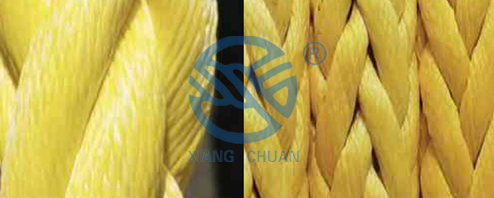
Las Colas de amarre son componentes críticos de los sistemas de amarre marítimos, ya que actúan como conectores flexibles entre líneas de amarre fijas (por ejemplo, cadenas, cuerdas sintéticas) y barcos o estructuras costa afuera. Su capacidad para soportar cargas de tracción (fuerzas que separan el material) no es negociable para garantizar operaciones seguras de atraque, anclaje y alta mar. Una cola de amarre con una resistencia a la tracción inadecuada puede romperse bajo carga, lo que tiene consecuencias catastróficas como la deriva de barcos, colisiones o daños a plataformas marinas. Para mitigar estos riesgos, es esencial realizar pruebas rigurosas de resistencia a la tracción de las colas de amarre antes de su uso formal. Este artículo detalla el proceso paso a paso de probar la resistencia a la tracción de la cola de amarre, abarcando la preparación previa a la prueba, los métodos de prueba comunes, las mejores prácticas de procedimiento, el análisis de resultados y el cumplimiento de los estándares de la industria.
1. Preparación previa a la prueba: sentar las bases para obtener resultados precisos
Antes de iniciar las pruebas de resistencia a la tracción, es fundamental una preparación minuciosa para garantizar que la prueba sea válida, segura y representativa de las condiciones del mundo real. Esta fase implica cuatro pasos clave: definir los objetivos de la prueba, seleccionar muestras de prueba, inspeccionar las muestras en busca de daños preexistentes y reunir el equipo necesario.
1.1 Definir objetivos y estándares de prueba
Primero, aclare los objetivos de la prueba y alinéelos con los estándares industriales relevantes. El objetivo principal de las pruebas de resistencia a la tracción para colas de amarre es determinar dos métricas clave:
Resistencia máxima a la tracción (UTS): la carga máxima que la cola de amarre puede soportar antes de romperse.
Límite elástico: la carga a la que la cola de amarre comienza a deformarse permanentemente (relevante para materiales como el acero, que exhiben deformación plástica).
Estas métricas deben cumplir con los requisitos de estándares como la Organización Internacional de Normalización (ISO) 18337 (para cuerdas de fibra sintética utilizadas en amarres), la Asociación Internacional de Sociedades de Clasificación (IACS) UR M61 (para componentes de sistemas de amarre) o la Sociedad Estadounidense de Pruebas y Materiales (ASTM) D638 (para pruebas generales de tracción de materiales). Por ejemplo, la norma ISO 18337 especifica que las colas de amarre sintéticas deben tener un UTS al menos un 10 % mayor que la carga máxima de diseño del sistema de amarre para tener en cuenta las fuerzas dinámicas (por ejemplo, olas, viento) en entornos marinos.
1.2 Seleccionar muestras de prueba representativas
Las colas de amarre se fabrican en diversas longitudes, diámetros y materiales (por ejemplo, poliéster, poliamida, acero o compuestos híbridos). Para garantizar que los resultados de las pruebas sean válidos, seleccione muestras que reflejen las especificaciones de las colas de amarre que se utilizarán en operaciones formales. Las consideraciones clave para la selección de muestras incluyen:
Consistencia de tamaño: elija muestras con el mismo diámetro, longitud y construcción (por ejemplo, trenzadas, retorcidas) que las colas de amarre operativas. La longitud de la muestra debe ser suficiente para fijarla al equipo de prueba (normalmente entre 1 y 2 metros), ya que las muestras más cortas pueden fallar en los puntos de fijación y no en el material en sí.
Combinación de materiales: si las colas de amarre operativas están hechas de una mezcla de materiales específica (por ejemplo, 80% poliéster + 20% polipropileno), las muestras de prueba deben usar la misma mezcla.
Cantidad de muestra: Pruebe al menos de 3 a 5 muestras para tener en cuenta la variabilidad de fabricación. Una sola muestra puede producir resultados anómalos debido a defectos menores, por lo que promediar los resultados de varias muestras garantiza la confiabilidad.
1.3 Inspeccionar las muestras en busca de daños previos a la prueba
Incluso las colas de amarre nuevas pueden tener defectos ocultos (por ejemplo, fibra deshilachada en las colas sintéticas, corrosión en las colas de acero) que pueden distorsionar los resultados de las pruebas. Realice una inspección visual y táctil de cada muestra antes de realizar la prueba:
Colas de amarre sintéticas: compruebe si hay fibras deshilachadas, nudos, decoloración (que indica daño por rayos UV) o diámetro desigual (un signo de mala fabricación). Utilice un calibre para medir el diámetro en varios puntos para garantizar la coherencia.
Colas de amarre de acero: Inspeccione si hay óxido, picaduras, grietas en las soldaduras (si corresponde) o deformación de los eslabones (para colas estilo cadena). Utilice un probador de partículas magnéticas o un escáner ultrasónico para detectar defectos internos invisibles a simple vista.
Se debe descartar cualquier muestra con daños visibles u ocultos, ya que no proporcionará una representación precisa de la verdadera resistencia a la tracción de la cola de amarre.
1.4 Reúna el equipo de prueba
El equipo principal para las pruebas de resistencia a la tracción es una máquina de prueba universal (UTM), un dispositivo que aplica una carga de tracción controlada a la muestra y mide la fuerza y la deformación resultantes. El equipo adicional incluye:
Mangos/Accesorios: Abrazaderas especializadas diseñadas para sujetar las colas de amarre de forma segura sin dañarlas. Para colas sintéticas, utilice empuñaduras de mandíbulas suaves forradas con goma para evitar que la fibra se deslice o se corte; para colas de acero, utilice empuñaduras de mandíbulas duras o eslabones de cadena para acomodar materiales rígidos.
Extensómetro: dispositivo adjunto a la muestra para medir el alargamiento (estiramiento) durante la prueba, que es fundamental para calcular el límite elástico y el módulo de Young (una medida de la rigidez del material).
Sistema de Adquisición de Datos: Software que registra datos de fuerza, alargamiento y tiempo en tiempo real, generando una curva tensión-deformación (un gráfico de tensión vs. deformación que visualiza el comportamiento del material bajo carga).
Equipo de seguridad: Equipo de protección personal (EPP), como gafas de seguridad, guantes y protector facial, así como un recinto de seguridad alrededor de la UTM para contener fragmentos si la cola de amarre se rompe durante la prueba.
Asegúrese de que todo el equipo esté calibrado de acuerdo con las pautas del fabricante (por ejemplo, los UTM deben calibrarse anualmente para mantener la precisión en la medición de la fuerza) antes de comenzar la prueba.
2. Métodos comunes de prueba de resistencia a la tracción para colas de amarre
La elección del método de prueba depende del material, la construcción y los requisitos específicos de los estándares de la industria de la cola de amarre. Dos métodos son los más utilizados: la prueba de tracción estática (para medir UTS y el límite elástico bajo carga estable) y la prueba de tracción dinámica (para simular fuerzas dinámicas del mundo real, como olas o viento).
2.1 Prueba de tracción estática: el método estándar para la resistencia inicial
La prueba de tracción estática es el método más común para determinar la resistencia a la tracción básica de una cola de amarre. Implica aplicar una carga lenta y constante a la muestra hasta que se rompa, lo que permite una medición precisa de UTS y límite elástico.
Procedimiento de prueba estática paso a paso
Monte la muestra: Asegure un extremo de la muestra de la cola de amarre al agarre superior del UTM y el otro extremo al agarre inferior. Asegúrese de que la muestra esté alineada verticalmente y tensa; la desalineación puede causar una distribución desigual de la tensión y provocar fallas prematuras en las empuñaduras. Para colas sintéticas, evite apretar demasiado las empuñaduras, ya que esto puede aplastar las fibras y debilitar la muestra.
Conecte el extensómetro: monte el extensómetro en la sección media de la muestra (evitando las áreas de agarre) para medir el alargamiento. Para colas de acero, utilice un extensómetro de clip; para colas sintéticas, utilice un extensómetro óptico sin contacto (que utiliza láseres para rastrear el alargamiento sin tocar la muestra, evitando daños a la fibra).
Establezca parámetros de prueba: programe el software UTM con parámetros de prueba basados en los estándares de la industria. Por ejemplo, ISO 18337 especifica una velocidad de la cruceta (la velocidad a la que el agarre inferior se mueve hacia abajo para aplicar carga) de 10 a 50 mm/min para colas de amarre sintéticas. Una velocidad más lenta permite una medición más precisa del límite elástico, mientras que una velocidad más rápida puede simular picos de carga repentinos.
Iniciar la prueba: inicie el UTM, que aplicará una carga que aumentará gradualmente a la muestra. El sistema de adquisición de datos registra la fuerza (en kilonewtons, kN) y el alargamiento (en milímetros, mm) a intervalos regulares (por ejemplo, cada 0,1 segundos).
Supervise la prueba: observe la muestra durante la prueba para detectar signos de deformación. En el caso de las colas de acero, es posible que observe un ligero estiramiento antes del límite elástico; para las colas sintéticas, la deformación puede ser más gradual hasta que la muestra se rompa repentinamente.
Termine la prueba: detenga la prueba una vez que la muestra se rompa (para medición UTS) o después de que se haya alcanzado claramente el límite elástico (para medición del límite elástico). El software UTM generará automáticamente una curva de tensión-deformación, cuyo pico representa la UTS.
2.2 Prueba de tracción dinámica: simulación de condiciones marinas del mundo real
Las pruebas estáticas miden la resistencia bajo cargas constantes, pero las colas de amarre en uso real enfrentan cargas dinámicas: fuerzas fluctuantes causadas por las olas, el viento o el movimiento del barco. Las pruebas de tracción dinámica simulan estas condiciones para evaluar cómo se comportan las colas de amarre bajo cambios de carga repetidos o repentinos.
Procedimiento de prueba dinámica paso a paso
Prepare la muestra y el equipo: siga los mismos pasos de montaje de la muestra y conexión del extensómetro que para la prueba estática. Además, configure el UTM para aplicar cargas cíclicas (repetidas) o cargas de impacto.
Establecer parámetros dinámicos: defina parámetros que imiten las condiciones marinas, como:
Rango de carga cíclica: por ejemplo, del 20 al 80 % del UTS esperado (para simular el flujo y reflujo de las olas).
Frecuencia del ciclo: 0,1–1 Hz (que coincide con la frecuencia típica de las olas del océano).
Número de ciclos: 1000 a 10 000 ciclos (para probar la durabilidad a lo largo del tiempo).
Para pruebas de impacto (simulando picos de carga repentinos, por ejemplo, un barco que se tambalea en una tormenta), establezca una velocidad alta de la cruceta (1 a 10 m/s) para aplicar la carga rápidamente.
Ejecute la prueba dinámica: inicie la prueba y el UTM aplicará la carga cíclica o de impacto. El sistema de datos registra cómo la resistencia y el alargamiento de la muestra cambian a lo largo de los ciclos. Para pruebas cíclicas, controle la falla por fatiga: un debilitamiento gradual del material después de cargas repetidas, incluso si cada carga está por debajo del UTS estático.
Analizar los resultados: Después de la prueba, verifique si la muestra se rompió durante el ciclo o conservó su resistencia. Una cola de amarre que sobreviva el número especificado de ciclos sin fallar cumple con los requisitos de resistencia dinámica. Para las pruebas de impacto, compare el UTS de impacto con el UTS estático; idealmente, el UTS de impacto debe ser al menos el 80% del UTS estático para garantizar que la cola pueda soportar cargas repentinas.
3. Análisis posterior a la prueba: interpretación de los resultados y garantía del cumplimiento
Una vez completadas las pruebas, el siguiente paso es analizar los datos para determinar si las colas de amarre cumplen con los estándares requeridos. Esto implica calcular métricas de resistencia clave, evaluar la curva tensión-deformación y documentar los resultados para verificar el cumplimiento.
3.1 Calcular métricas de fortaleza clave
Utilizando los datos del software UTM, calcule las siguientes métricas para cada muestra:
Resistencia máxima a la tracción (UTS): divida la fuerza máxima registrada durante la prueba por el área de la sección transversal de la muestra (en metros cuadrados, m²) para obtener la UTS en pascales (Pa) o megapascales (MPa). Por ejemplo, si una cola de amarre sintética con una sección transversal de 0,001 m² se rompe con una fuerza de 50 kN (50.000 N), su UTS es 50.000 N / 0,001 m² = 50 MPa.
Límite elástico: para materiales con un límite elástico claro (por ejemplo, acero), identifique la fuerza a la que la curva tensión-deformación se aplana (lo que indica deformación permanente) y calcule el límite elástico usando la misma fórmula basada en área que UTS. Los materiales sintéticos a menudo no tienen un límite elástico definido, por lo tanto, calcule la resistencia a la prueba: la tensión requerida para causar una cantidad específica de deformación permanente (por ejemplo, 0,2% de resistencia a la prueba, como se especifica en ASTM D638).
Alargamiento de rotura: Calcule el porcentaje de aumento en la longitud de la muestra en el punto de rotura. Por ejemplo, si una muestra de 1 metro se estira hasta 1,5 metros antes de romperse, su alargamiento en el momento de la rotura es (0,5 m/1 m) × 100 = 50%. Esta métrica indica la flexibilidad de la cola de amarre: un mayor alargamiento significa que la cola puede absorber más energía antes de romperse, lo cual es beneficioso para las condiciones marinas dinámicas.
3.2 Evaluar la curva tensión-deformación
La curva tensión-deformación es una herramienta visual que revela información crítica sobre el comportamiento de la cola de amarre bajo carga. Las características clave a analizar incluyen:
Región elástica lineal: la línea recta inicial de la curva, donde la tensión es proporcional a la deformación (Ley de Hooke). Esta región muestra cómo la cola de amarre se estira elásticamente y vuelve a su forma original cuando se retira la carga. Una pendiente pronunciada indica alta rigidez (por ejemplo, colas de acero), mientras que una pendiente poco profunda indica flexibilidad (por ejemplo, colas sintéticas).
Punto de fluencia: para colas de acero, el punto donde la curva se desvía de la linealidad; más allá de este punto, la cola se deforma permanentemente.
Región Plástica: El área entre el límite elástico y la UTS, donde el material se estira permanentemente. Las colas sintéticas pueden tener una región plástica larga, mientras que las colas de acero tienen una más corta.
Estricción: para algunos materiales (por ejemplo, acero), la muestra se estrecha (cuellos) en un área antes de romperse; esto es visible como una caída en la tensión después de la UTS en la curva.
Una "buena" curva tensión-deformación para una cola de amarre debe tener una UTS alta, un alargamiento de rotura suficiente (para absorber cargas dinámicas) y ninguna caída repentina de la tensión antes de la UTS (lo que indicaría puntos débiles en el material).
3.3 Comparar resultados con estándares y tomar decisiones
Después de calcular las métricas y analizar la curva, compare los resultados con los estándares relevantes de la industria y los requisitos de diseño del sistema de amarre. Por ejemplo:
Si el UTS promedio de las muestras de prueba es de 60 MPa y el diseño requiere un UTS mínimo de 50 MPa (según ISO 18337), las colas de amarre cumplen con el requisito de resistencia.
Si el límite elástico de una cola de amarre de acero es de 45 MPa, pero el diseño especifica un mínimo de 50 MPa, la cola no es adecuada para su uso, ya que se deformará permanentemente bajo las cargas esperadas.
Si los resultados cumplen o superan los estándares, las colas de amarre pueden proceder al uso formal. Si los resultados no son suficientes, investigue la causa; los posibles problemas incluyen materiales defectuosos, preparación inadecuada de la muestra o parámetros de prueba incorrectos. Vuelva a realizar la prueba con muestras nuevas si es necesario o trabaje con el fabricante para abordar los problemas de control de calidad.
4. Seguridad y mejores prácticas para pruebas de resistencia a la tracción
Las pruebas de tracción de colas de amarre implican fuerzas elevadas (a menudo cientos de kilonewtons), por lo que la seguridad y las mejores prácticas son primordiales para evitar lesiones o daños al equipo.
4.1 Priorizar la seguridad
Utilice EPP: utilice siempre gafas de seguridad, guantes y una careta durante la prueba. Si prueba colas de amarre grandes (por ejemplo, para plataformas marinas), use un recinto de seguridad completo alrededor del UTM para contener fragmentos si la muestra se rompe.
Asegure la muestra correctamente: asegúrese de que las empuñaduras estén lo suficientemente apretadas para evitar que la muestra se resbale; el deslizamiento puede hacer que la muestra salga despedida del UTM, lo que representa un peligro. Para colas de acero, use pasadores de bloqueo en las empuñaduras para agregar seguridad adicional.
Comience con cargas bajas: antes de ejecutar la prueba completa, aplique una pequeña precarga (por ejemplo, 5 % de la UTS esperada) para verificar la alineación y la seguridad del agarre. Si la muestra se desplaza o el extensómetro se desprende, deténgase y reajústelo.
4.2 Mantener la coherencia
Estandarice las condiciones de prueba: realice todas las pruebas en un ambiente controlado: la temperatura (20–25 °C) y la humedad (40–60 %) pueden afectar las propiedades del material (p. ej., las fibras sintéticas se vuelven más rígidas en temperaturas frías). Utilice una sala de pruebas con clima controlado si es posible.
Documente todo: registre cada detalle de la prueba, incluidas las especificaciones de la muestra (material, tamaño, número de lote), los parámetros de la prueba (velocidad de la cruceta, recuento de ciclos), fechas de calibración del equipo y resultados. Esta documentación es fundamental para las auditorías de cumplimiento y para la resolución de problemas si surgen problemas más adelante.
4.3 Personal del tren
Sólo personal capacitado debe operar el UTM y realizar pruebas. La capacitación debe cubrir la operación del equipo, protocolos de seguridad, preparación de muestras y análisis de datos. El personal también debe estar familiarizado con las normas específicas relevantes para las colas de amarre (por ejemplo, ISO 18337, IACS UR M61) para garantizar que las pruebas se realicen correctamente.
Conclusión
Probar la resistencia a la tracción de las colas de amarre antes de su uso formal es un paso fundamental para garantizar la seguridad marítima y la confiabilidad operativa. Al seguir un proceso estructurado, desde la preparación previa a la prueba (definir objetivos, seleccionar muestras, inspeccionar equipos) hasta elegir el método de prueba correcto (estático o dinámico) y analizar los resultados con respecto a los estándares de la industria, los operadores pueden verificar que las colas de amarre cumplan con los requisitos de resistencia para su aplicación prevista. Ya sea que se prueben colas sintéticas para buques portacontenedores o colas de acero para plataformas marinas, las pruebas de tracción rigurosas minimizan el riesgo de falla del equipo y protegen vidas, embarcaciones e infraestructura en el duro entorno marino. A medida que los sistemas de amarre se vuelven más complejos (por ejemplo, para proyectos marinos en aguas profundas), los avances en la tecnología de prueba (como extensómetros ópticos de alta precisión y simuladores de carga dinámica) continuarán mejorando la precisión y relevancia de las pruebas de resistencia a la tracción, asegurando que las colas de amarre sigan siendo un componente confiable de las operaciones marítimas.

 English
 Portugues
 Pусский
 Français
 Deutsch
 日本語
日本語
 한국어
한국어
 العربية
 Italian
 Nederlands
 Ελληνικά
 Svenska
 Polski
 ไทย
ไทย
 Turkish
 हिन्दी
 Indonesia
 Melayu
 Tiếng Việt
 dansk
dansk
 Magyar
 বাংলা
বাংলা
 čeština
 Soomaali
 မြန်မာ
 فارسی
فارسی
 українська
 norsk
norsk
 Gaeilge
 беларускі
 Română
 ພາສາລາວ
 Filipino
 lietuvių
 Cymraeg
 Suomalainen
 o'zbek
 اردو
اردو
 հայերեն
 سنڌي
سنڌي
 Hrvatski
 íslenskur
 galego
 català
 Zulu South Africa
 ಕನ್ನಡ
ಕನ್ನಡ
 Indonésia Sunda
 Кыргызча
 тоҷикӣ
 Србија
 Hawaii
 नेपाल
नेपाल
 euskara
 latvija
 پښتو
پښتو
 საქართველოს
 bosna
bosna
 Eesti
Eesti
 Azerbaijani
 Shqipëria
 Malta
Malta
 Kikongo
 Eʋegbe
 Fiji
Fiji
 Tonga
Tonga
 中文站
中文站

 +86-514-88253368



 Teléfono
Comentario
(0)