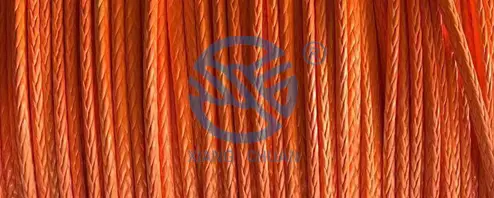
Las eslingas sin fin, también conocidas como eslingas redondas o bucles sin fin, son herramientas indispensables en operaciones de manipulación de materiales en industrias como la construcción, la fabricación, la logística y el transporte marítimo. Estas eslingas flexibles y de alta resistencia, generalmente hechas de fibras sintéticas como poliéster, nailon o polipropileno o, en algunos casos, fibras naturales o acero, están diseñadas para levantar cargas pesadas de manera segura y eficiente. Sin embargo, su rendimiento, vida útil y, lo más importante, su seguridad dependen en gran medida de las prácticas de almacenamiento adecuadas. El almacenamiento inadecuado puede provocar desgaste prematuro, degradación del material e incluso fallas catastróficas durante el uso, lo que representa riesgos para los trabajadores, los equipos y la carga valiosa. Este artículo proporciona una guía detallada paso a paso para almacenar correctamente las eslingas sin fin, que cubre las inspecciones previas al almacenamiento, las condiciones ideales de almacenamiento, las técnicas de manipulación y las estrategias de mantenimiento a largo plazo.
1. La importancia fundamental del almacenamiento adecuado de las eslingas sin fin
Antes de profundizar en los procedimientos de almacenamiento, es fundamental comprender por qué es importante un almacenamiento adecuado. Las eslingas sin fin están sujetas a una tensión significativa durante su uso, pero el almacenamiento es a menudo una fase que se pasa por alto y que puede socavar su integridad. Estas son las razones clave por las que el almacenamiento correcto no es negociable:
Ampliación de la vida útil: las eslingas sin fin de alta calidad representan una inversión importante. El almacenamiento adecuado evita el desgaste innecesario, como deshilachamiento, cortes o daños químicos, que pueden acortar su vida útil. Una eslinga en buen estado puede durar años más que una almacenada al azar, lo que reduce los costos de reemplazo para las empresas.
Garantizar la seguridad: El principal riesgo de un almacenamiento deficiente es que se vea comprometida la resistencia de la eslinga. Por ejemplo, almacenar eslingas en condiciones húmedas puede provocar el crecimiento de moho en las fibras sintéticas, debilitando su resistencia a la tracción. De manera similar, la exposición a la luz solar directa o a altas temperaturas puede degradar los polímeros de fibra, provocando roturas inesperadas durante las operaciones de elevación. Estas fallas pueden provocar la caída de cargas, daños al equipo y lesiones graves a los trabajadores.
Cumplimiento de los estándares de la industria: la mayoría de las regiones e industrias, incluida OSHA (Administración de Salud y Seguridad Ocupacional) en los Estados Unidos, la Directiva de Maquinaria de la UE y las pautas de la ISO (Organización Internacional de Normalización), exigen el almacenamiento adecuado de los equipos de elevación. El incumplimiento puede dar lugar a multas, sanciones legales e incluso cierres de empresas. Las auditorías periódicas a menudo incluyen controles de las prácticas de almacenamiento de eslingas, lo que hace que el cumplimiento de las normas sea una necesidad operativa.
Mantenimiento de la coherencia del rendimiento: las eslingas sin fin dependen de una distribución uniforme de la fibra y de la integridad estructural para distribuir las cargas de manera uniforme. Un almacenamiento inadecuado, como retorcer o aplastar las eslingas, puede distorsionar su forma y provocar una distribución desigual de la carga durante su uso. Esto no sólo reduce la eficiencia de elevación sino que también aumenta el riesgo de inestabilidad de la carga.
2. Inspección previa al almacenamiento: el primer paso para un almacenamiento seguro
Antes de almacenar cualquier eslinga sin fin, es obligatoria una inspección minuciosa. Este paso garantiza que sólo se almacenen las eslingas en buenas condiciones, evitando que las eslingas dañadas se reutilicen accidentalmente. Las inspecciones deben ser realizadas por personal capacitado (preferiblemente aquellos con certificación en seguridad de equipos de elevación) y documentadas con fines de cumplimiento. Aquí hay una lista de verificación de inspección detallada:
2.1 Inspección visual
Comience con una revisión visual de todo el cabestrillo, incluidos los extremos en forma de bucle (los “ojos” del cabestrillo) y el cuerpo principal. Busque las siguientes señales de alerta:
Daño a la fibra: verifique que no haya fibras deshilachadas, cortadas, desgarradas o rotas. En el caso de las eslingas sintéticas, preste mucha atención a las zonas que entran en contacto con las cargas durante su uso, ya que son propensas a la abrasión. Incluso los cortes pequeños pueden debilitar la eslinga, ya que crean puntos de tensión que pueden expandirse bajo carga.
Decoloración o manchas: La decoloración puede indicar exposición a sustancias nocivas. Por ejemplo, el color amarillento de las eslingas de poliéster puede indicar daño por rayos UV, mientras que las manchas oscuras pueden deberse a aceite, grasa o productos químicos. Algunos productos químicos, como los ácidos o álcalis fuertes, pueden descomponer las fibras sintéticas sin dejar signos visuales obvios, por lo que se debe probar la resistencia de cualquier eslinga expuesta a sustancias desconocidas antes de almacenarla.
Moho o hongos: El crecimiento de moho es común en las eslingas almacenadas previamente en condiciones húmedas. Busque manchas negras, verdes o blancas en la superficie del cabestrillo. El moho no sólo debilita las fibras sino que también crea un riesgo para la salud de los trabajadores que manipulan la eslinga.
Distorsiones estructurales: compruebe si hay torceduras, torceduras o pliegues permanentes. Estos problemas pueden alterar la capacidad de carga del cabestrillo, ya que impiden que las fibras se alineen correctamente durante el levantamiento. Para eslingas con núcleo de acero, asegúrese de que no haya hilos doblados o deformados.
2.2 Comprobaciones táctiles y funcionales
Además de la inspección visual, realice comprobaciones táctiles para identificar daños ocultos:
Cambios de textura: pase la mano por la superficie del cabestrillo. Una textura áspera o quebradiza en las eslingas sintéticas puede indicar envejecimiento o daño químico. En el caso de las eslingas de fibra natural (por ejemplo, algodón), una sensación suave y polvorienta podría indicar que están podridas.
Pruebas de tensión: tire suavemente del cabestrillo en diferentes puntos para comprobar la flexibilidad. Un cabestrillo rígido o rígido puede tener degradación de la fibra, mientras que un estiramiento excesivo (más allá de las especificaciones del fabricante) podría indicar daño interno.
Verificación de la etiqueta: asegúrese de que la etiqueta de identificación del arnés esté intacta y sea legible. Las etiquetas suelen incluir el nombre del fabricante, el material de la eslinga, la capacidad nominal (WLL: límite de carga de trabajo), la fecha de fabricación y el número de serie. Una etiqueta faltante o ilegible significa que se desconocen las especificaciones del cabestrillo, lo que hace que su uso o almacenamiento sea inseguro. Si la etiqueta está dañada, reemplácela por una nueva que incluya toda la información requerida antes del almacenamiento.
2.3 Manejo de eslingas dañadas
Si una eslinga no pasa alguna parte de la inspección, no debe almacenarse para uso futuro. En su lugar, siga estos pasos:
Etiquetado: coloque una etiqueta claramente visible que diga “NO UTILIZAR” en el cabestrillo, indicando el motivo del rechazo (por ejemplo, “fibras deshilachadas”, “daño químico”).
隔离 (Aislamiento): Guarde las eslingas dañadas separadas de las funcionales en un área designada, preferiblemente cerrada con llave, para evitar su uso accidental.
Eliminación o reparación: consulte las pautas del fabricante para determinar si el cabestrillo se puede reparar. En el caso de las eslingas sintéticas, los técnicos certificados pueden reparar daños menores (p. ej., pequeños deshilachados), pero los daños graves (p. ej., cortes a través de más del 10 % de las fibras) requieren eliminación. Deseche las eslingas de manera que impida su reutilización; por ejemplo, corte las eslingas sintéticas en pedazos o recíclelas de acuerdo con las regulaciones locales.
3. Condiciones ideales de almacenamiento: protección de las eslingas contra daños ambientales
Las eslingas sin fin son sensibles a factores ambientales como la temperatura, la humedad, la luz solar y los productos químicos. Crear un entorno de almacenamiento ideal es clave para preservar su integridad. A continuación se detallan las condiciones críticas a controlar:
3.1 Temperatura y Humedad
Rango de temperatura: Guarde las eslingas en un área fresca y seca con un rango de temperatura de 10 °C a 25 °C (50 °F a 77 °F). Las temperaturas extremas pueden dañar las fibras tanto sintéticas como naturales. Las altas temperaturas (por encima de 30 °C/86 °F) pueden hacer que las fibras sintéticas se ablanden, se derritan o se degraden, mientras que las bajas temperaturas (por debajo de 0 °C/32 °F) pueden hacerlas quebradizas y propensas a agrietarse. Para las eslingas con núcleo de acero, el frío extremo puede reducir la ductilidad, aumentando el riesgo de rotura.
Control de humedad: Mantenga la humedad relativa (RH) entre 40% y 60%. La alta humedad (más del 70%) promueve el crecimiento de moho y hongos, especialmente en eslingas de fibra natural y eslingas sintéticas con revestimientos orgánicos. Las condiciones de humedad también pueden causar que los componentes de acero (por ejemplo, los accesorios de algunas eslingas) se oxiden, lo que puede transferirse al material de la eslinga y causar más daños. Utilice deshumidificadores en climas húmedos y asegúrese de que el área de almacenamiento tenga una ventilación adecuada para evitar la acumulación de humedad. Evite almacenar las eslingas en pisos de concreto, ya que pueden absorber y liberar humedad; use paletas o estantes para elevar las eslingas del suelo.
3.2 Exposición a la luz
Evite la luz solar directa: Los rayos ultravioleta (UV) de la luz solar son muy dañinos para las fibras sintéticas. Las eslingas de poliéster y nailon expuestas a la luz solar directa durante períodos prolongados pueden perder hasta el 50% de su resistencia a la tracción en un año. Incluso la luz solar indirecta puede provocar una degradación gradual. Guarde las eslingas en un área oscura, como un almacén cerrado o un gabinete de almacenamiento. Si hay ventanas, use películas que bloqueen los rayos UV para reducir la penetración de la luz.
Luz artificial: si bien la luz artificial es menos dañina que la luz solar, evite colocar las eslingas bajo luz artificial intensa y prolongada (por ejemplo, bombillas LED o halógenas de alto voltaje). Coloque los estantes de almacenamiento lejos de fuentes de luz para minimizar la exposición.
3.3 Control de sustancias químicas y contaminantes
远离 Productos químicos: guarde las eslingas lejos de productos químicos como aceites, grasas, disolventes, ácidos, álcalis y pinturas. Estas sustancias pueden descomponer las fibras sintéticas: por ejemplo, el aceite puede hinchar las fibras de nailon, reduciendo su resistencia, mientras que los ácidos pueden disolver el poliéster. Incluso los derrames pequeños pueden contaminar las eslingas, por lo que el área de almacenamiento debe estar separada de las zonas de almacenamiento de productos químicos. Si un cabestrillo entra en contacto con productos químicos durante su uso, límpielo minuciosamente (siguiendo las pautas del fabricante) antes de guardarlo. Por ejemplo, las eslingas sintéticas se pueden lavar con agua y jabón suave, mientras que las eslingas de fibra natural pueden requerir agentes de limpieza especializados para evitar daños.
Polvo y desechos: El polvo y los desechos pueden acumularse en las fibras de la eslinga, lo que provoca abrasión durante el almacenamiento y el uso. Mantenga limpia el área de almacenamiento barriendo o aspirando regularmente. Cubra los cabestrillos con fundas de tela transpirable (por ejemplo, sábanas de algodón) si se almacenarán durante períodos prolongados, ya que esto evita la acumulación de polvo y permite la circulación del aire. Evite las cubiertas de plástico, ya que atrapan la humedad y pueden provocar el crecimiento de moho.
3.4 Protección Física
Evite objetos punzantes: asegúrese de que el área de almacenamiento esté libre de objetos punzantes como clavos, ganchos o bordes metálicos que puedan cortar o rasgar las eslingas. Inspeccione los estantes, estantes y paletas de almacenamiento en busca de piezas que sobresalgan y repare o reemplace el equipo dañado. Al colocar eslingas en estantes, evite el contacto con esquinas afiladas; use un acolchado (por ejemplo, tiras de espuma o goma) en los bordes de los estantes para proteger la superficie de las eslingas.
Evite el aplastamiento: No apile objetos pesados encima de las eslingas almacenadas. El aplastamiento puede distorsionar la forma del cabestrillo, dañar las fibras y crear torceduras permanentes. Si las eslingas se almacenan en estantes, asegúrese de que cada estante pueda soportar el peso de las eslingas sin hundirse. Para el almacenamiento colgante (que se analiza en la Sección 4), utilice ganchos resistentes que puedan soportar el peso del cabestrillo sin doblarse.
4. Técnicas de almacenamiento adecuadas: manipulación y colocación de eslingas
Incluso en un entorno ideal, un manejo y posicionamiento incorrectos durante el almacenamiento pueden dañar las eslingas sin fin. El objetivo es almacenar las eslingas de manera que mantengan su forma natural, eviten la tensión en las fibras y permitan un fácil acceso para uso futuro. A continuación se presentan las técnicas recomendadas:
4.1 Almacenamiento colgante: el método preferido para el almacenamiento a corto plazo
Colgar es la mejor opción para las eslingas que se utilizarán con frecuencia (almacenamiento a corto plazo, por ejemplo, semanal o mensual). Este método evita que las fibras se retuerzan, aplasten y distorsionen. Siga estas pautas:
Utilice ganchos adecuados: utilice ganchos anchos y lisos hechos de material no corrosivo (por ejemplo, acero inoxidable o acero revestido). Evite los ganchos estrechos, ya que pueden crear puntos de tensión en el cabestrillo. El ancho del gancho debe ser al menos el doble del diámetro de la eslinga para distribuir el peso de manera uniforme.
Colgar por el lazo: Cuelgue el cabestrillo por uno de sus lazos (ojos) para que el cuerpo principal cuelgue libremente. No cuelgue los cabestrillos por la mitad del cuerpo, ya que esto puede provocar que se doblen. Asegúrese de que el cabestrillo no esté torcido; enderece los giros antes de colgarlo.
Mantenga el espacio: cuelgue las eslingas a una distancia mínima de 15 cm (6 pulgadas) para permitir la circulación del aire y evitar la fricción entre las eslingas. La fricción puede causar abrasión, especialmente entre eslingas sintéticas. Evite abarrotar el área de almacenamiento, ya que esto dificulta el acceso a eslingas individuales sin dañar a otras.
Etiquete los ganchos: etiquete cada gancho con las especificaciones de la eslinga (p. ej., “Poliéster, WLL 5 toneladas”) para garantizar una fácil identificación. Esto reduce el riesgo de utilizar la eslinga incorrecta para un trabajo y acelera la recuperación.
4.2 Enrollado o enrollado: para almacenamiento a largo plazo
Para las eslingas que se almacenarán durante períodos prolongados (por ejemplo, meses sin uso), enrollarlas o enrollarlas es un método práctico. Esto protege el cabestrillo del polvo y los daños y, al mismo tiempo, ahorra espacio. Siga estos pasos:
Prepare el cabestrillo: asegúrese de que el cabestrillo esté limpio y seco (según la inspección y limpieza previas al almacenamiento). Colóquelo sobre una superficie limpia y lisa (por ejemplo, una mesa o un piso limpio) para eliminar cualquier torsión.
Técnica de enrollado: En el caso de eslingas sintéticas, enrolle la eslinga con fuerza, pero no demasiado; apretar demasiado puede provocar la compresión de la fibra. Comience desde un extremo y enrolle hacia el otro, manteniendo el rollo uniforme. Para eslingas más largas (por ejemplo, 10 metros o más), doble la eslinga por la mitad antes de enrollarla para crear un rollo más pequeño y manejable.
Técnica de enrollado: Para eslingas de fibra natural o eslingas sintéticas más cortas, el enrollado es una alternativa. Haga bobinas grandes y sueltas (con un diámetro de al menos 30 cm/12 pulgadas) para evitar que se doblen. Asegure la bobina con una correa suave (por ejemplo, correas de algodón o nailon) en lugar de alambre o cuerda, que pueden cortar la eslinga. No utilices bandas elásticas, ya que pueden dejar hendiduras en la fibra.
Almacenamiento de rollos/bobinas: Coloque las eslingas enrolladas o enrolladas sobre superficies planas y elevadas, como paletas o estantes. No apile los rollos uno encima del otro, ya que el peso del rollo superior puede aplastar el inferior. Si es necesario apilar (debido a limitaciones de espacio), limite la pila a dos rollos y coloque una tabla resistente entre ellos para distribuir el peso. Etiquete cada rollo con las especificaciones de la eslinga y la fecha de almacenamiento para facilitar el seguimiento.
4.3 Evitar errores comunes de almacenamiento
No cuelgue las eslingas de ganchos afilados u oxidados: los ganchos afilados pueden cortar las fibras, mientras que el óxido puede transferirse a la eslinga y causar corrosión (especialmente en eslingas sintéticas con componentes metálicos).
No guarde las eslingas en el suelo: el suelo es propenso a la humedad, el polvo y los escombros. Incluso en un área limpia, las eslingas en el suelo pueden ser pisadas o aplastadas por el equipo.
No retuerza ni anude las eslingas: Las torceduras y los nudos crean puntos de tensión que debilitan la eslinga. Guarde siempre las eslingas rectas y sin torcer.
No mezcle tipos de eslingas: almacene diferentes tipos de eslingas (por ejemplo, poliéster, nailon, núcleo de acero) por separado. La mezcla puede provocar contaminación cruzada (por ejemplo, que el aceite de una eslinga se transfiera a otra) y dificulta encontrar la eslinga adecuada para un trabajo. Utilice rejillas separadas o contenedores etiquetados para cada tipo.
5. Mantenimiento regular durante el almacenamiento: mantener las eslingas en óptimas condiciones
El almacenamiento no es un proceso de “configúrelo y olvídese”. Es necesario realizar controles de mantenimiento periódicos para garantizar que las eslingas permanezcan en buenas condiciones mientras están almacenadas. La frecuencia de los controles depende de la duración del almacenamiento y de las condiciones ambientales: para el almacenamiento a corto plazo (menos de 3 meses), son suficientes controles mensuales; para almacenamiento a largo plazo (3 meses o más), se recomiendan controles bimestrales. Esto es lo que se debe incluir en las comprobaciones de mantenimiento:
5.1 Reinspección visual y táctil
Repita los pasos de inspección previa al almacenamiento (Sección 2) para verificar si hay nuevos daños. Preste especial atención a:
Crecimiento de moho: Incluso con humedad controlada, se puede desarrollar moho si las eslingas no estaban completamente secas antes del almacenamiento. Compruebe si hay manchas o olor a humedad.
Degradación de la fibra: busque signos de fragilidad o decoloración, que pueden indicar daños por temperatura o rayos UV.
Integridad de las etiquetas: asegúrese de que las etiquetas sigan siendo legibles. Si las etiquetas se dañan, reemplácelas inmediatamente.
5.2 Monitoreo Ambiental
Verifique las condiciones de temperatura, humedad y luz del área de almacenamiento:
Utilice herramientas de seguimiento: coloque un termómetro y un higrómetro en el área de almacenamiento para realizar un seguimiento de las condiciones. Registre lecturas semanalmente para identificar tendencias (por ejemplo, aumento de la humedad durante las temporadas de lluvias).
Ajuste según sea necesario: si la temperatura o la humedad exceden los rangos recomendados, ajuste la calefacción/refrigeración o los deshumidificadores. Repare cualquier fuga o grieta en el área de almacenamiento que pueda permitir la entrada de humedad o luz solar.
5.3 Rotación de Eslingas
Si se almacenan varias eslingas, rote su uso para garantizar un desgaste uniforme. Por ejemplo, marque las eslingas con etiquetas de "Usar primero" y rótelas cada 3 meses. Esto evita que un cabestrillo se use en exceso mientras que otros permanecen almacenados durante demasiado tiempo (lo que puede provocar una degradación inesperada).
5.4 Limpieza del área de almacenamiento
Limpie periódicamente el área de almacenamiento para eliminar el polvo, los residuos y los posibles contaminantes:
Barra o aspire: limpie los pisos y estantes semanalmente para evitar la acumulación de polvo.
Limpie las superficies: use un detergente suave para limpiar los estantes y ganchos mensualmente, especialmente si entran en contacto con aceites o productos químicos.
Inspeccione si hay plagas: busque signos de plagas (p. ej., roedores o insectos) que puedan dañar las eslingas. Utilice medidas de control de plagas si es necesario, asegurándose de que los productos químicos no entren en contacto con las eslingas.
6. Conclusión: hacer del almacenamiento adecuado una práctica estándar
El almacenamiento adecuado de eslingas sin fin no es solo una cuestión de cumplimiento: es un componente crítico de la seguridad en el lugar de trabajo, la longevidad de los equipos y la eficiencia operativa. Si sigue los pasos descritos en esta guía (realizar inspecciones previas al almacenamiento, controlar las condiciones ambientales, utilizar técnicas de almacenamiento correctas y realizar un mantenimiento regular), las empresas pueden garantizar que sus eslingas permanezcan en condiciones óptimas, lo que reduce el riesgo de accidentes y los costos de reemplazo.
Es importante recordar que el almacenamiento adecuado es parte de un programa de seguridad más amplio para los equipos de elevación, que incluye capacitar al personal, seguir las pautas del fabricante y realizar pruebas de carga periódicas. Al hacer del almacenamiento adecuado una práctica estándar, las organizaciones pueden crear un lugar de trabajo más seguro y eficiente, protegiendo tanto a sus empleados como a sus activos.
En resumen, la clave para un almacenamiento exitoso en eslingas sin fin es la atención al detalle: desde verificar si hay pequeños cortes de fibra durante las inspecciones hasta monitorear los niveles de humedad en el área de almacenamiento. Cada paso desempeña un papel en la preservación de la integridad del cabestrillo. Al invertir tiempo y recursos en un almacenamiento adecuado, las empresas pueden obtener beneficios a largo plazo, incluida una mayor vida útil de las eslingas, mejores registros de seguridad y el cumplimiento de los estándares de la industria.

 English
 Portugues
 Pусский
 Français
 Deutsch
 日本語
日本語
 한국어
한국어
 العربية
 Italian
 Nederlands
 Ελληνικά
 Svenska
 Polski
 ไทย
ไทย
 Turkish
 हिन्दी
 Indonesia
 Melayu
 Tiếng Việt
 dansk
dansk
 Magyar
 বাংলা
বাংলা
 čeština
 Soomaali
 မြန်မာ
 فارسی
فارسی
 українська
 norsk
norsk
 Gaeilge
 беларускі
 Română
 ພາສາລາວ
 Filipino
 lietuvių
 Cymraeg
 Suomalainen
 o'zbek
 اردو
اردو
 հայերեն
 سنڌي
سنڌي
 Hrvatski
 íslenskur
 galego
 català
 Zulu South Africa
 ಕನ್ನಡ
ಕನ್ನಡ
 Indonésia Sunda
 Кыргызча
 тоҷикӣ
 Србија
 Hawaii
 नेपाल
नेपाल
 euskara
 latvija
 پښتو
پښتو
 საქართველოს
 bosna
bosna
 Eesti
Eesti
 Azerbaijani
 Shqipëria
 Malta
Malta
 Kikongo
 Eʋegbe
 Fiji
Fiji
 Tonga
Tonga
 中文站
中文站

 +86-514-88253368



 Teléfono
Comentario
(0)